Residential and Commercial Waste Management Solutions
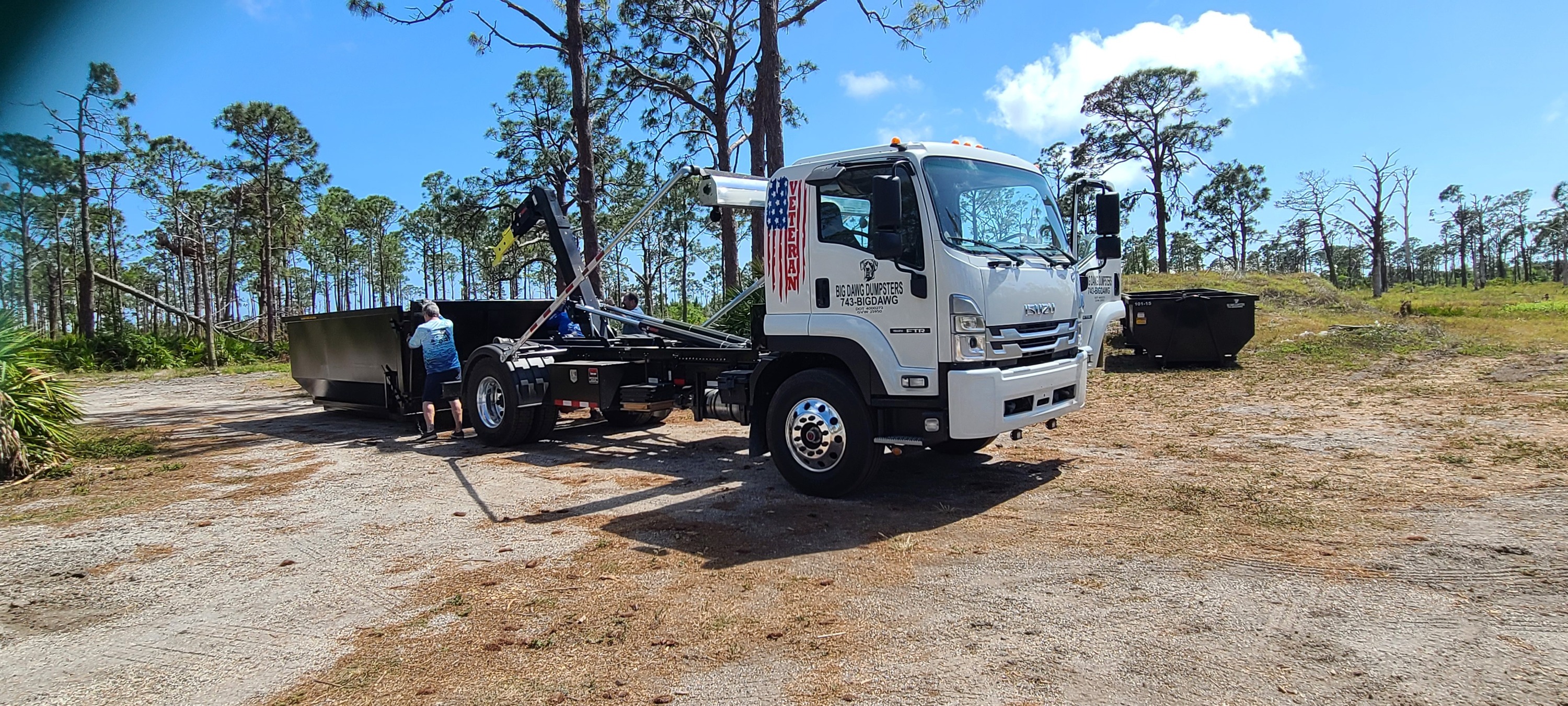
Proper waste management is vital in every residential and commercial project, from small home projects to large commercial construction sites. Debris management is often trickier than it seems—materials accumulate rapidly and without proper planning cleanup can be challenging. Reliable dumpster services simplify the process considerably. Properly sized and positioned dumpsters help maintain order, enhance on-site safety, and keep projects moving efficiently. This is where choosing the right waste-removal partner becomes crucial, especially for projects that require efficiency, timeliness, and dependable support from beginning to end.
For residential projects, having a specific location for waste disposal is highly advantageous. Homes undergoing renovations often generate waste at a rapid pace—old cabinetry, broken drywall, damaged flooring, outdated fixtures, and layers of materials that need to be removed before new installations can begin. With a dumpster on-site, debris can be removed immediately without multiple trips or cluttering the home.
For commercial projects, proper waste disposal is critical to staying on schedule. Companies rely on efficient workflows, making waste management a top priority. Debris-strewn areas can reduce productivity, increase hazards, and interrupt operations. Commercial renovations, large-scale demolitions, and new construction sites generate heavy materials such as lumber, concrete, tile, roofing, and metal—items that require durable dumpsters capable of handling the weight. Dependable dumpster services allow crews to clear waste promptly, keeping the site efficient.
Choosing the right container begins with assessing project size and needs. Both residential and commercial clients need to consider the volume of debris that will be generated, the type of materials being removed, and the duration of the project. Small renovations might need standard dumpsters, but large projects or get more info roof replacements typically demand bigger containers. Businesses often require large roll-off containers or scheduled swaps to keep work progressing.
Placement of the dumpster also plays a vital role in the success of any project. A flat, stable area away from traffic and walkways is ideal. The delivery truck needs enough room to drop off and later pick up the container, which means proper clearance is essential. For residential properties, placing the dumpster on the driveway is usually ideal, as it keeps the waste close to the project without damaging the yard. Commercial sites require strategic placement based on equipment and work zones.
Correct loading techniques maximize dumpster use and reduce hazards. Heavy materials should be placed at the bottom to create a stable base, while lighter items can be layered on top. Reducing bulky items in size saves space and prevents early overfill. Overstuffed dumpsters risk additional costs and safety issues. Knowing weight and fill rules ensures efficient dumpster use.
Using a dumpster reduces time spent managing debris. Instead of making multiple trips to disposal facilities, wasting fuel, and taking valuable hours away from the project, everything can be conveniently discarded in one place. With expert disposal services, you can trust that waste is managed safely. Particularly for bulky or regulated waste, proper dumpster handling is essential.
Choosing the right company for waste removal can make a significant difference in the overall experience. Reliable companies offer prompt pickups, flexible rentals, and hassle-free service. Clients value Big Dawg Dumpsters LLC for trustworthy waste management and responsive support. Committed to efficiency and quality, they equip every project with essential waste-removal resources.
Whether tackling a house renovation or a large construction project, the right dumpster improves efficiency. Waste removal should never slow a project down, and with Big Dawg Dumpsters LLC, you get a dependable partner that helps keep your site clean, safe, and productive from the first day to the last.